Supporting the Mental Well-Being of Seniors Through Compassionate Home Care
By Robert D. Liken CPC, CTS, President
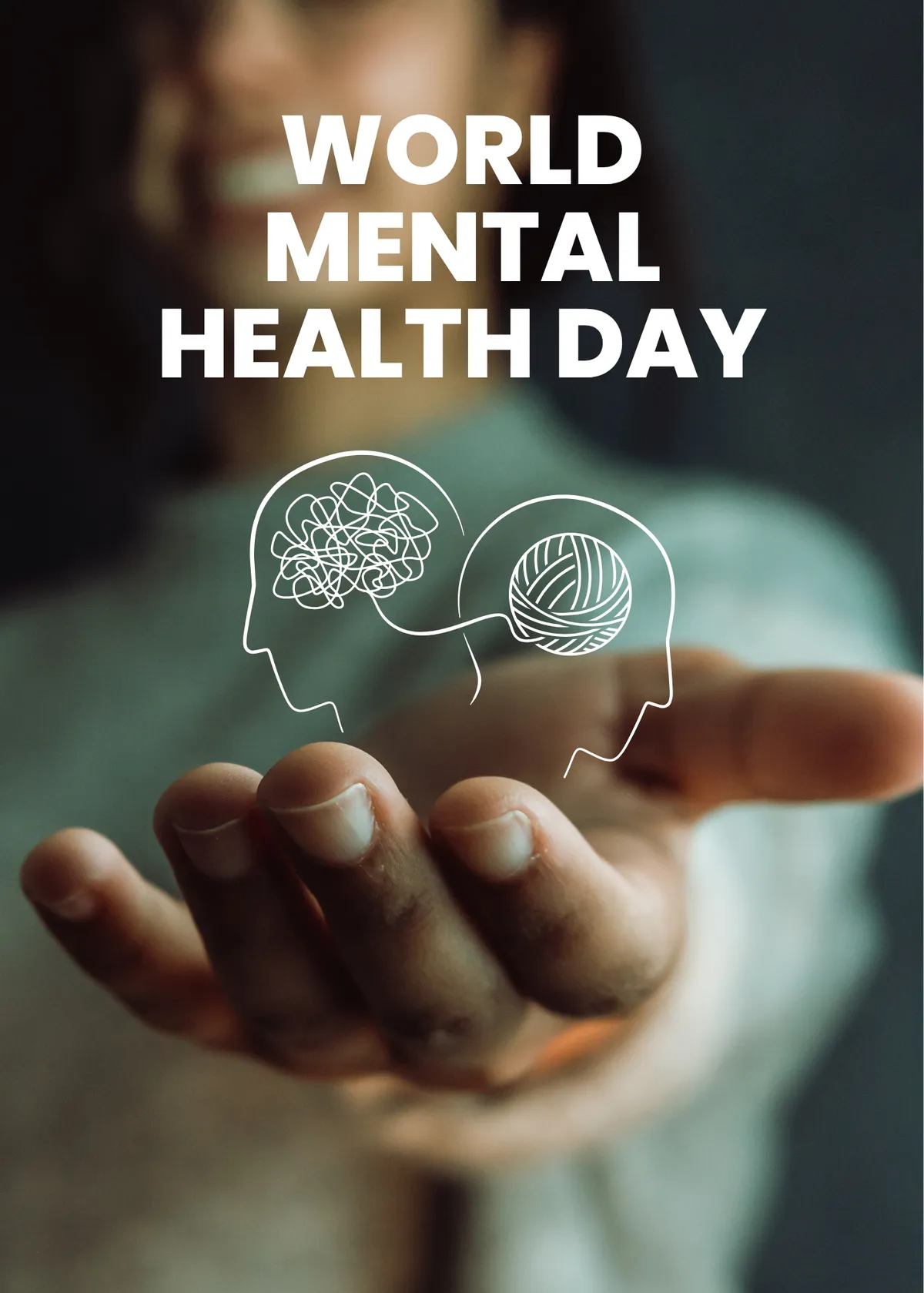
World Mental Health Day is a meaningful reminder that mental health deserves attention at every stage of life. For older adults, emotional well-being can be closely connected to companionship, independence, meaningful routines, and feeling valued and supported.
At Liken Home Care, we understand that caring for seniors means looking beyond physical needs. It means recognizing the importance of connection, dignity, purpose, and emotional support in everyday life.
Why Mental Health Matters for Seniors
As people age, they may experience major life changes, such as retirement, moving to a new home, losing loved ones, changes in mobility, or spending less time with friends and family.
These transitions can sometimes lead to feelings of loneliness, stress, or isolation.
That is why regular social connection and compassionate support can be so important. A familiar caregiver who takes time to listen, engage, and provide encouragement can help make everyday life feel more connected and meaningful.
The Importance of Companionship
One of the simplest ways caregivers can support a senior's emotional well-being is through genuine companionship.
Companionship can look like:
Sharing a cup of coffee and conversation
Taking a short walk together
Playing a favorite card or board game
Looking through family photographs
Listening to music
Helping with a favorite hobby
Watching a beloved television show
Simply sitting together and talking
These moments may seem small, but they can provide seniors with a sense of connection and belonging.
Maintaining a Sense of Purpose
Feeling useful and involved can contribute to a senior's overall sense of well-being.
Caregivers can encourage seniors to participate in activities they enjoy rather than doing everything for them. Depending on their abilities, a senior might help prepare a simple meal, water plants, organize photographs, fold laundry, or choose activities for the day.
The goal is to support independence while respecting the individual's abilities and preferences.
Creating Healthy Daily Routines
A predictable routine can provide structure and comfort.
Caregivers can help seniors maintain regular schedules for meals, personal care, activities, rest, and social interaction. A consistent routine can make the day easier to navigate while leaving room for flexibility and enjoyment.
Even something as simple as having a morning conversation or taking an afternoon walk can become a positive part of the day.
Signs That a Senior May Need Additional Support
Caregivers and family members should pay attention to noticeable or ongoing changes in mood and behavior.
Possible signs that a senior may be struggling include:
Persistent sadness or hopelessness
Loss of interest in activities they once enjoyed
Significant changes in sleep or appetite
Increased withdrawal from family or friends
Unusual irritability or anxiety
Difficulty maintaining normal routines
Expressing feelings of worthlessness or helplessness
These signs do not necessarily indicate a specific mental health condition, but they are worth discussing with a healthcare professional when they persist or cause concern.
If a senior expresses thoughts of self-harm or suicide, seek immediate professional help or emergency assistance.
How Caregivers Can Make a Difference
Caregivers are often in a unique position to notice changes because they spend meaningful time with the people they support.
A compassionate caregiver can:
Listen without judgment.
Sometimes, seniors simply need someone who is willing to listen.
Encourage social connection.
Help maintain relationships with family, friends, neighbors, and community groups.
Promote meaningful activities.
Support hobbies, interests, and activities that bring enjoyment and purpose.
Respect independence.
Offer assistance while allowing seniors to make choices whenever possible.
Communicate concerns.
If there are significant changes in mood or behavior, caregivers can share observations with family members and appropriate healthcare professionals.
Mental Health Is Part of Whole-Person Care
At Liken Home Care, we believe quality home care is about caring for the whole person.
Physical assistance is important, but so are companionship, conversation, encouragement, dignity, and human connection.
Our caregivers strive to create supportive home environments where seniors can feel respected, heard, and comfortable being themselves.
This World Mental Health Day, Start With a Conversation
You don't always need a big gesture to support someone's mental well-being.
Sometimes, it starts with a simple question:
"How are you really doing today?"
Take time to listen. Spend a few extra minutes together. Encourage a favorite activity. Call someone who may be feeling alone.
Because when it comes to mental health, small moments of connection can matter.
💚 At Liken Home Care, we believe compassionate care means caring for the person—not just the task.
Liken Home Care
Care that feels like home.
